

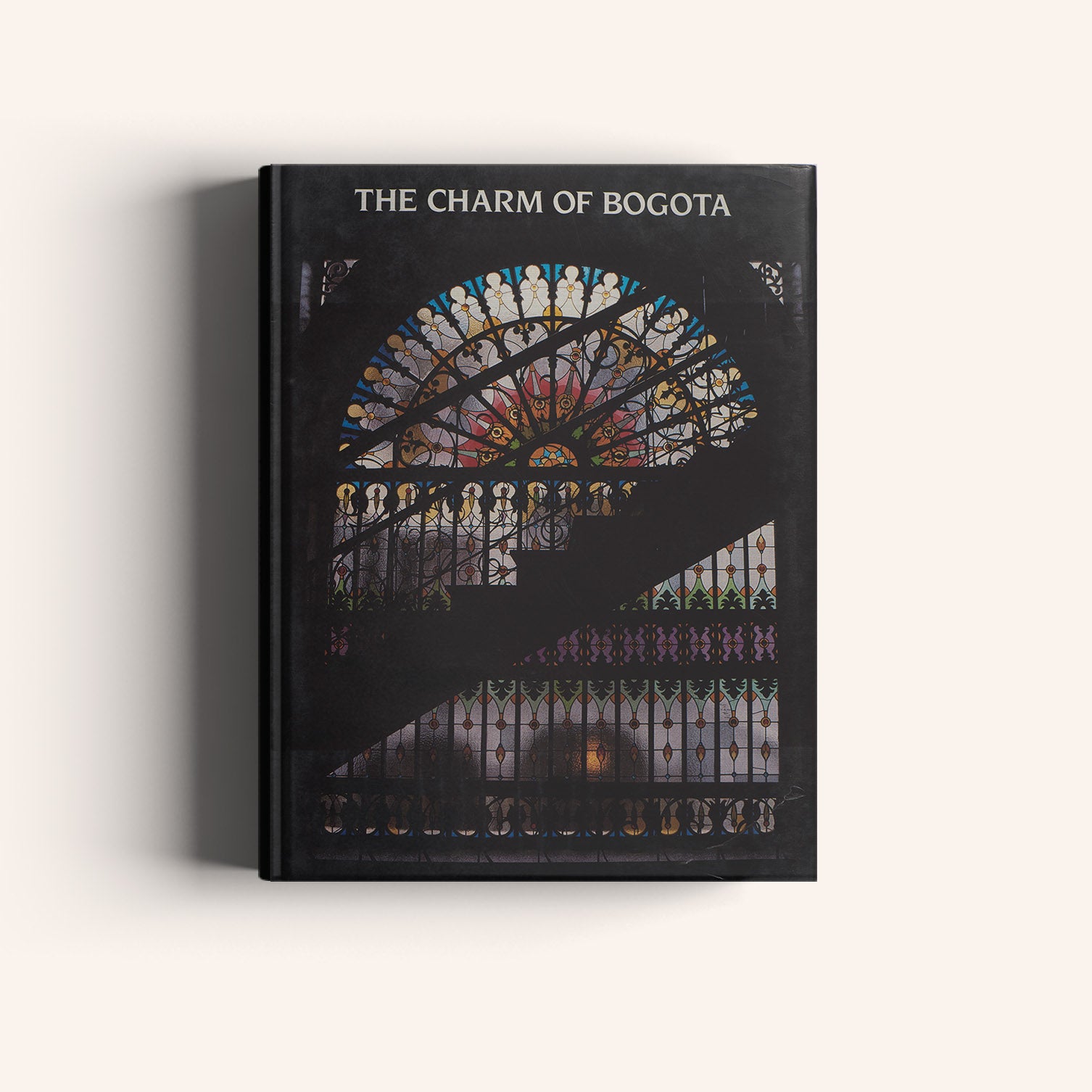
The allure of Bogotá
Decades before anyone thought of publishing it, it was done by the artisans who left no memory of their names, the iron forgers who placed their doors and windows between the street and domestic life, the gardeners who planted trees and flowerpots, the carvers who designed the fountains and stones, the jewelers who set precious stones in impossible objects, the glaziers who made the great lamps and chandeliers, the weavers who made baskets or carpets, the urban planners who laid out the first streets, nestled on the hillsides and as narrow as possible, to protect people from the cold of the páramo and the fear of ghosts. Because this is the book of public space. Here there is no place for great mansions or solemn interiors.
This is the city of all, through which we walk, where we are surprised by twilight and dawn. And although the landscape appears somewhat groomed (after all, it is a space inhabited by man), what is found here is, above all, a representation of the beings who have made the earthly city an ideal of stone, lime, and iron, as an antithesis of the city dreamed between the blue sky and the savannah. That is why this is the book of half-truths. With it, those of us who embarked on its adventure sought to find the charm of Bogotá rather than its miseries and difficulties. We do not deny that they exist, and what's more, they are so evident that we do not believe it necessary to recall them. But what is less obvious, what is hidden under the veil of prudence, is precisely what we highlight here.
Choose options